Your Essential Guide to Navigating Surety Bonds Before Signing
Moreover, many clients specifically seek out businesses that hold surety bonds, as these bonds indicate a level of professionalism and obligation. By positioning your business as one that values integrity and accountability, you not only improve your chances of winning contracts but also foster positive relationships within your industry.
Additionally, a comprehensive list of completed projects, along with references, will be necessary to validate your experience. Project owners often look for contractors who have successfully handled similar projects in the past. Highlighting your team’s qualifications and relevant certifications also plays a pivotal role in this process. This documentation not only showcases your expertise but also reassures clients of your commitment to quality.
Moreover, bonding companies often appreciate contractors who are proactive about maintaining their qualifications. Regularly updating your bonding company with recent project successes, financial performance, and any new certifications can demonstrate your ongoing commitment to excellence. This proactive approach can not only strengthen your bond but also lead to more favorable terms when securing bonds.

Furthermore, as the industry evolves, so do the expectations of clients. They are now looking for contractors who not only deliver quality work but also demonstrate transparency and accountability. By embracing the principles of bonded construction, businesses can position themselves as trustworthy partners in the eyes of potential clients. This article will explore how to effectively communicate these benefits and implement strategies that will set your business apart in the marketplace.

It is also important to consider the provider's experience with specific types of projects. Some surety companies specialize in certain industries or project sizes, so aligning with a provider that understands the contractor's niche can prove beneficial. Contractors should seek recommendations and conduct thorough research to identify the best fit for their bonding needs.

Conclusion
In conclusion, navigating the world of surety bonds for bidding requires a comprehensive understanding of the various types of bonds, their functions, and the strategies necessary to secure them. By being proactive, maintaining accurate documentation, and establishing strong relationships with surety providers, contractors can significantly improve their chances of success. Moreover, awareness of the potential pitfalls and costs associated with
surety bonds can help contractors create competitive bids that stand out to project owners. Ultimately, a well-prepared contractor is one who can not only meet the requirements of a bid but also build a solid foundation for future projects.
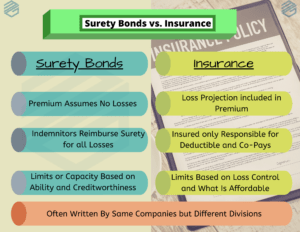
Additionally, consider seeking feedback from colleagues or industry peers before submitting your documentation. A fresh set of eyes can help identify any areas that may need improvement or clarification. After submission, be proactive in following up. A courteous inquiry about the status of your prequalification can demonstrate your interest and commitment to the project.

Can I obtain a surety bond with poor credit?
While it may be more challenging to obtain a surety bond with poor credit, it is not impossible. Working with a knowledgeable surety agent can help find solutions and alternative options.

Understanding the Claims Process
Before entering into a surety bond agreement, familiarize yourself with the claims process. Understanding how claims work will prepare you for potential disputes that may arise. Typically, if the principal fails to fulfill their obligations, the obligee can file a claim against the bond. The surety company will then investigate the claim and determine if it is valid.
Conclusion
In summary, understanding and leveraging the principles of bonded construction is essential for contractors seeking to distinguish themselves in a competitive market. By prioritizing credibility, utilizing technology, and staying informed about regulatory requirements, businesses can effectively position themselves as reliable partners. Additionally, investing in training and development for staff further enhances the quality of work provided. The advantages of being bonded, including increased project opportunities and enhanced financial security, outweigh the potential drawbacks. As the construction industry continues to evolve, embracing bonded work will be critical for long-term success and sustainability.
Bond Type
Function
Typical Cost
Bid Bond
Guarantees the contractor will accept the contract if selected
0.5% - 3% of the bid amount
Performance Bond
Ensures completion of the project per contract terms
1% - 3% of the contract amount
Payment Bond
Guarantees payment to subcontractors and suppliers
0.5% - 3% of the contract amount
Another effective strategy is to maintain accurate and up-to-date financial records. Surety companies require comprehensive financial documentation to assess a contractor's stability. Regularly updating financial statements, tax returns, and project performance records can help streamline the bonding process. Contractors who demonstrate financial responsibility are more likely to receive favorable terms and conditions on their bonds.


